Refex Refrigerants

Chlorofluorocarbons (CFCs), along with other chlorine-and bromine-containing compounds, have been implicated in the accelerated depletion of ozone in the Earth’s stratosphere. CFCs were developed in the early 1930s and are used in a variety of industrial, commercial and household applications. Replacement compounds for CFCs have also been evaluated for their Ozone Depletion Potential (ODP). Increasing chlorofluorocarbon (CFC) levels and subsequent depletion of stratospheric ozone has led to calls for alternative substances having a lower propensity for ozone destruction.


Two main classes of replacement compounds have been developed :

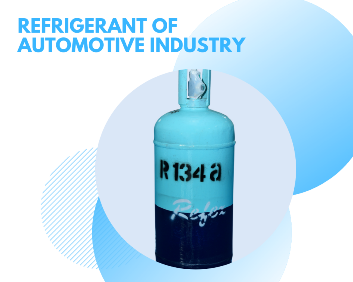
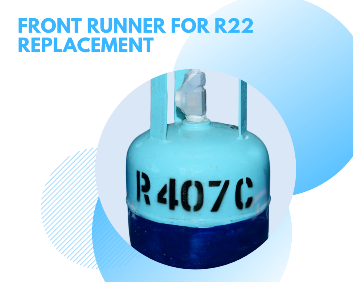
Hydro chloro fluorocarbons (HCFCs) and hydrofluorocarbons (HFCs). HCFCs still contain chlorine atoms that are responsible for catalytic destruction of ozone, but they also contain hydrogen, which makes them vulnerable to reaction with hydroxyl radicals (OH) in the lower atmosphere. Removal of these substances in the troposphere reduces the amount of chlorine reaching the stratosphere, where significant depletion can occur.Hydrofluorocarbons (HFCs), is a non ozone depleting, environmentally safer refrigerant developed to replace CFC’s and HCFC’s in several air conditioning and refrigeration applications. HFCs enable safe, efficient, refrigeration and air-conditioning as well as foam insulation systems to be implemented cost effectively across a wide range of applications. Containment and maintaining refrigerant and blowing agent choices, including HFCs, is the best way forward for both industry, end users and the environment.